Joint Review Panel: environment, nature and conservation for Canada
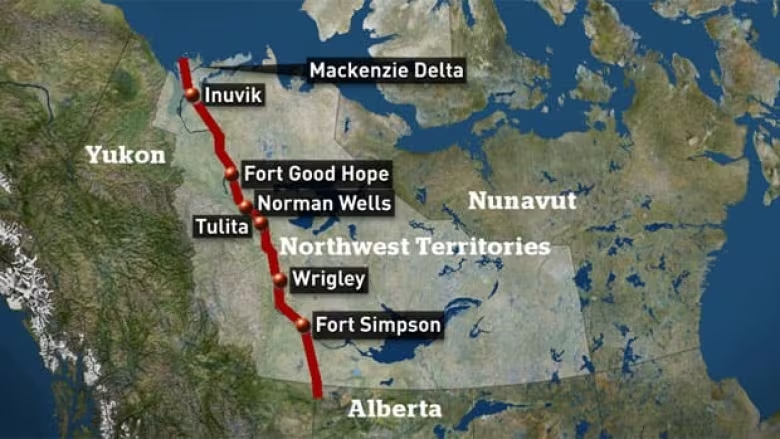
We examine one of Canada’s most ambitious northern energy development proposals that sought to tap into vast natural resources in the Northwest Territories. This initiative represented a defining moment for the Canadian natural gas sector and Indigenous partnership models. The proposal aimed to construct an extensive pipeline system stretching over 1,200 kilometres through challenging Arctic terrain.
Our analysis explores how this undertaking faced unprecedented environmental scrutiny through rigorous assessment processes. The Joint Review Panel conducted extensive evaluations of potential impacts on ecosystems and communities. Indigenous groups played a central role as both stakeholders and proposed equity partners in this venture.
We’ll guide you through the regulatory journey, infrastructure plans, and economic factors that shaped this initiative’s trajectory. Despite receiving approval, market conditions and cost considerations led to significant delays. Our review draws on official documentation and expert analyses to provide comprehensive insights into this landmark energy proposal.
Key Takeaways
- The initiative proposed a 1,200-kilometre pipeline system to transport natural resources from the Beaufort Sea region to southern markets through the Northwest Territories
- An innovative Indigenous ownership structure offered Aboriginal groups a 33.3% equity stake, representing a groundbreaking partnership model in Canadian resource development
- The Joint Review Panel conducted one of Canada’s most extensive environmental assessments, producing comprehensive findings on ecological and social impacts
- Regulatory approval was granted in 2011 after years of rigorous review, but the initiative entered dormancy due to shifting market economics and rising cost estimates
- This undertaking tested Canada’s ability to balance resource extraction with environmental protection and meaningful Indigenous participation in the North
- The environmental review process set new standards for assessing large-scale infrastructure proposals in sensitive Arctic ecosystems
1. Understanding the Mackenzie Gas Project Initiative
We examine the Mackenzie Gas Project as a groundbreaking natural gas development initiative that shaped environmental review processes across Canada. This proposal emerged in the early 2000s to unlock significant natural gas reserves located in the Mackenzie Delta region. The Northwest Territories energy sector saw this as a transformative opportunity for economic growth and resource development.
The project brought together five major partners in an unprecedented collaboration. Imperial Oil Resources Ventures Limited led the consortium alongside ConocoPhillips Canada (North) Limited, Shell Canada Limited, and ExxonMobil Canada Properties. What made this partnership truly distinctive was the inclusion of the Aboriginal Pipeline Group, which gave Indigenous communities direct ownership stakes.
We recognize that this initiative stood apart from conventional resource projects in several critical ways. The scale of infrastructure required was massive, spanning harsh Arctic environments. The location presented unique challenges for construction and environmental protection. Most importantly, the partnership model established a new precedent for Indigenous participation in major resource development.
The proposal triggered one of Canada’s most rigorous environmental review processes. Proponents needed to demonstrate how extraction and transportation could proceed responsibly. They had to show protection measures for the fragile Arctic ecosystem while respecting Indigenous rights and traditional territories.
| Consortium Partner | Role in Project | Key Contribution |
|---|---|---|
| Imperial Oil Resources Ventures Limited | Project Operator and Lead | Technical expertise and operational management |
| ConocoPhillips Canada (North) Limited | Major Equity Partner | Financing and Arctic development experience |
| Shell Canada Limited | Major Equity Partner | Engineering and environmental technology |
| ExxonMobil Canada Properties | Major Equity Partner | Capital investment and market access |
| Aboriginal Pipeline Group | Indigenous Ownership Partner | Community representation and traditional knowledge |
We understand that this project promised substantial economic benefits for northern communities. Job creation, skills training, and business opportunities would flow to regions with limited employment options. However, concerns arose about greenhouse gas emissions, impacts on caribou migration patterns, and disruption to traditional ways of life.
This tension between development and conservation became the central challenge. The environmental review process sought to address these competing interests through detailed assessment. Conditional approvals would balance economic opportunity with environmental stewardship and cultural preservation.
2. Project Infrastructure and Key Components
Our analysis of the project’s technical framework reveals a complex network of facilities engineered specifically for the unique challenges of Canada’s North. The Mackenzie Gas Project required sophisticated pipeline infrastructure and natural gas facilities to operate reliably in one of the world’s harshest environments. This Arctic development represented a significant engineering achievement designed to unlock northern energy resources.
The Pipeline Transmission System
The centrepiece of the project was a proposed 1,220-kilometre buried pipeline extending from the Mackenzie Delta to northern Alberta. This pipeline infrastructure would traverse permafrost terrain and cross numerous waterways throughout the Northwest Territories. The route was carefully selected to minimize environmental impact while ensuring operational efficiency.
Engineers designed the transmission system to withstand extreme temperature fluctuations ranging from -50°C in winter to summer highs. The pipeline needed to maintain structural integrity despite ground movement caused by permafrost thaw cycles. We note that burial depth and construction techniques were specifically adapted for these challenging conditions.
Collection and Gathering Network
A network of smaller pipelines would connect individual wellheads to central processing locations across the delta region. These natural gas facilities formed the collection backbone that fed into the main transmission line. The gathering infrastructure was designed to operate efficiently despite seasonal accessibility challenges.
Field pipelines required specialized materials resistant to Arctic conditions and corrosive gas components. Multiple collection points consolidated production from dispersed well sites before entering the processing stream.
Production Fields in the Beaufort Region
The anchor fields at Taglu, Niglintgak, and Parsons Lake contained the initial reserves targeted for development. These offshore and near-shore locations in the Beaufort Sea held proven reserves estimated at several trillion cubic feet of natural gas. This Arctic development zone presented unique drilling challenges due to seasonal ice coverage.
Production facilities needed to operate during the brief summer construction window while withstanding year-round extreme conditions. Specialized equipment adapted for marine and permafrost environments was essential for field development.
Treatment and Compression Installations
Processing and compression facilities were planned at strategic intervals along the pipeline route. These natural gas facilities would remove impurities, extract valuable liquids, and maintain transmission pressure. Each station required reliable operation despite remote locations and limited seasonal access.
We examined how these installations incorporated environmental safeguards including leak detection systems and emission controls. The facilities needed to meet stringent Canadian regulatory standards while functioning in isolation for extended periods.
3. The Canadian Environmental Review Panel Process
We recognize the Joint Review Panel as a cornerstone of the Mackenzie Gas Project’s regulatory pathway, representing a unique partnership in Canadian environmental assessment. This collaborative process combined federal and territorial oversight to ensure comprehensive evaluation of one of Canada’s most ambitious northern energy developments. The framework established new standards for how major resource projects undergo scrutiny in northern Canada.
Joint Review Panel Establishment and Mandate
The Joint Review Panel formed under two key pieces of legislation: the Canadian Environmental Assessment Act and the Mackenzie Valley Resource Management Act. This dual mandate created a coordinated approach rather than requiring separate federal and territorial reviews. We consider this integration essential for streamlining the assessment while maintaining rigorous standards.
The panel’s mandate extended beyond traditional environmental concerns. It encompassed socio-economic impacts, Indigenous rights considerations, and long-term sustainability questions. This broad scope reflected the complex nature of northern development and the interconnected challenges facing the region.
Panel Composition and Expertise
Seven members comprised the review panel, selected for their diverse knowledge and experience. Chair Robert Hornal led experts representing wildlife biology, community planning, traditional knowledge systems, and resource management. This multidisciplinary approach ensured various perspectives shaped the evaluation process.
| Panel Role | Expertise Area | Primary Responsibility | Knowledge Contribution |
|---|---|---|---|
| Chair | Environmental Law | Process Coordination | Regulatory Framework |
| Scientific Member | Wildlife Biology | Ecological Assessment | Species Impact Analysis |
| Indigenous Expert | Traditional Knowledge | Cultural Impact Review | Community Perspectives |
| Technical Member | Engineering | Infrastructure Evaluation | Design Standards |
We observe that this composition acknowledged the necessity of combining western scientific methods with Indigenous knowledge systems. The inclusion of members familiar with northern communities ensured culturally appropriate engagement throughout the process.
Public Hearing Procedures
The review panel conducted extensive community hearings throughout the Northwest Territories. These sessions allowed residents, Indigenous organizations, and environmental groups to present evidence and question project proponents. The proceedings extended over several years, generating thousands of pages of testimony.
We note that the panel also commissioned independent studies to address specific technical questions. Proponents submitted detailed documentation covering project design, environmental mitigation, and monitoring plans. This rigorous examination produced one of the most comprehensive environmental impact assessment records in Canadian regulatory history.
4. Comprehensive Environmental Impact Assessment
Regulators required an extensive environmental review to determine whether the project could proceed responsibly in the sensitive northern ecosystem. The impact assessment process examined potential effects on wildlife, water, land, and communities across the entire project area. We recognize this evaluation as one of the most detailed examinations ever conducted for a Canadian energy development.
The assessment documentation exceeded thousands of pages. It included technical studies, community consultation records, and traditional knowledge submissions from Indigenous peoples.
Assessment Scope and Methodology
The canadian environmental evaluation framework extended beyond the immediate pipeline corridor to consider indirect and long-term consequences. Assessors examined effects that might occur during construction, operation, and eventual decommissioning of facilities. The methodology combined Western scientific approaches with Traditional Ecological Knowledge from Indigenous communities.
This integration recognized that Indigenous peoples had observed the land, water, and wildlife for generations. Their insights provided essential context that complemented scientific data collection methods.
Biophysical Environment Analysis
The impact assessment addressed potential effects on air quality, water resources, permafrost stability, vegetation, and wildlife species. Particular attention focused on caribou herds that use areas along the proposed route for calving, migration, and feeding. Scientists examined how construction noise, human activity, and infrastructure presence might affect caribou behaviour and population dynamics.
Water quality received extensive evaluation due to numerous river and stream crossings required for the pipeline. The analysis considered potential contamination risks from construction activities and possible spills. Fish habitat, migratory birds, grizzly bears, and other species of conservation concern also underwent detailed study.
Socio-Economic Impact Studies
Our review of the socio-economic impact assessment reveals projections for employment, income changes, cost of living impacts, and effects on community services. The studies predicted significant employment opportunities and economic benefits for Northwest Territories residents. However, analysts also identified risks including boom-bust economic cycles and increased living costs.
The evaluation examined potential disruption to traditional harvesting activities. It considered how construction and operations might affect hunting, fishing, and trapping practices essential to Indigenous cultures and food security.
| Assessment Category | Primary Focus Areas | Evaluation Methods | Key Concerns Identified |
|---|---|---|---|
| Biophysical Environment | Wildlife, water quality, permafrost, vegetation | Scientific field studies, habitat mapping, population surveys | Caribou displacement, water contamination risks, permafrost degradation |
| Socio-Economic Impacts | Employment, income, cost of living, community services | Economic modeling, community surveys, demographic analysis | Boom-bust cycles, housing shortages, social disruption |
| Traditional Land Use | Hunting, fishing, trapping, cultural practices | Traditional Knowledge studies, community mapping, elder interviews | Access disruption, wildlife behaviour changes, cultural continuity |
| Cumulative Effects | Combined impacts with other developments, climate change | Regional modeling, historical trend analysis, future scenario planning | Additive environmental pressures, long-term ecosystem changes |
Cumulative Effects Evaluation
The cumulative effects portion of the environmental review attempted to consider how the Mackenzie Gas Project would combine with other developments to affect the region. This analysis recognized that the project would not occur in isolation. Assessors examined interactions with existing resource developments, climate change impacts, and ongoing social changes in the North.
We note that this forward-looking evaluation presented significant challenges. Predicting how multiple factors would interact over decades required assumptions about future development patterns and environmental conditions.
5. Strengths and Benefits We Identified
Through detailed assessment, we identified key advantages that could reshape economic opportunities across the Northwest Territories. Our analysis revealed how this project offered substantial value beyond simple resource extraction. We examined benefits spanning economic growth, partnership innovation, energy security, and workforce development.
Economic Development for Northern Canada
The economic benefits represented the most significant advantage we documented throughout our review. Investment projections reached billions of dollars flowing directly into a region with limited economic diversity. We found the project could generate thousands of construction jobs and hundreds of permanent operational positions.
Northern development would benefit through multiple revenue streams:
- Direct employment opportunities for local residents during all project phases
- Substantial royalty payments to territorial governments
- Federal tax revenues supporting national infrastructure
- Business contracts for northern suppliers and service providers
Indigenous Ownership and Partnership Model
We recognized the Indigenous partnership structure as groundbreaking for Canadian resource development. The Aboriginal Pipeline Group held one-third ownership, comprising Inuvialuit, Gwich’in, and Sahtu organizations. This ownership stake provided direct financial returns rather than merely consultation roles.
Decision-making influence gave Indigenous communities actual control over project elements affecting their territories. We observed how this model could transform relationships between industry and northern communities. Long-term revenue streams would support community programs for generations.
Energy Supply Security
Canada’s energy supply would gain significant natural gas reserves through this northern development initiative. We assessed how these resources could displace higher-emission energy sources across North America. Supply diversity strengthened national energy independence and market stability.
Skills Development and Training Programs
Our evaluation identified comprehensive training commitments that extended beyond immediate project needs. Programs included apprenticeships, technical certifications, and business development support. We found these initiatives could build lasting capacity within Northwest Territories communities.
Key training components we documented:
- Technical skills training aligned with industry standards
- Business management programs for northern entrepreneurs
- Apprenticeship opportunities in construction and operations
6. Drawbacks and Concerns of the Mackenzie Gas Project
The project’s drawbacks and concerns deserve careful attention, as they reveal fundamental tensions between development goals and environmental protection. Our assessment identified substantial ecological risks, economic uncertainties, and social impacts that challenged the project’s overall viability. These concerns extended across multiple dimensions, from immediate construction effects to long-term climate implications.
Environmental and Ecological Risks
We observed significant environmental concerns related to wildlife and ecosystem health throughout the project corridor. Caribou populations already experiencing stress from climate change faced additional pressure from pipeline construction and increased industrial activity. The infrastructure would cross sensitive aquatic ecosystems, creating risks from water withdrawals and potential contamination.
The potential for spills or leaks presented serious ecological risks to soil, water, and vegetation across the Northwest Territories. We noted that cumulative stress from multiple infrastructure corridors could fragment wildlife habitat and disrupt migration patterns. These impacts extended beyond the immediate pipeline route to affect broader regional ecosystems.
Climate Change Implications
Climate change emerged as a dual concern that affected both project justification and infrastructure stability. The initiative would facilitate fossil fuel extraction and combustion, contributing to greenhouse gas emissions when scientific evidence called for reductions. This contradiction raised questions about long-term environmental responsibility.
We identified a troubling feedback loop where warming temperatures threatened permafrost stability beneath proposed infrastructure. The very ground supporting pipelines and facilities faced degradation from climate change that the project itself would accelerate. This vulnerability created engineering challenges and increased long-term maintenance costs.
Economic Viability Challenges
Our analysis revealed growing concerns about the project’s financial feasibility as market conditions evolved. Multi-billion dollar capital costs required stable, high natural gas prices to generate adequate investment returns. However, shale gas development in southern regions increased supply and suppressed prices significantly.
The economic viability became increasingly questionable as price volatility and market competition intensified. We observed that changing energy markets reduced the certainty of projected revenues that justified initial project planning.
Construction Impact on Traditional Lands
Indigenous communities expressed serious concerns about construction activities disrupting traditional lands used for hunting, fishing, and trapping. Even temporary disturbances could displace wildlife during critical harvesting seasons, affecting food security and cultural practices. We recognized that these impacts threatened community self-sufficiency and cultural continuity.
The interference with traditional activities carried consequences beyond economics, affecting spiritual connections to the land and intergenerational knowledge transfer. Construction noise, increased traffic, and habitat disruption all contributed to reduced harvesting success rates.
| Risk Category | Primary Impacts | Affected Stakeholders | Severity Level |
|---|---|---|---|
| Wildlife and Ecosystems | Caribou displacement, aquatic habitat disruption, contamination potential | Regional wildlife populations, downstream communities | High |
| Climate and Permafrost | Greenhouse gas emissions, infrastructure instability, feedback loops | Global climate, project operators, northern residents | High |
| Economic Uncertainty | Price volatility, market competition, capital cost recovery | Project investors, territorial government, workers | Medium-High |
| Traditional Land Use | Harvesting disruption, cultural site disturbance, food security impacts | Indigenous communities, harvesters, future generations | Medium-High |
7. Indigenous Engagement and Rights Considerations
The Mackenzie Gas Project established a new model for Indigenous involvement in Canadian resource development. Unlike previous large-scale energy projects, this initiative positioned First Nations as equity partners rather than solely affected communities. We recognized this approach as groundbreaking within the context of Canadian resource extraction history.
The framework incorporated Indigenous consultation at multiple levels throughout planning and assessment phases. Project proponents worked directly with regional Indigenous organizations to structure meaningful participation mechanisms. This engagement extended beyond regulatory requirements to include financial partnership opportunities.
Partnership Ownership Framework
The Aboriginal Pipeline Group represented an unprecedented ownership structure in Canadian energy infrastructure. Three regional Indigenous organizations—the Inuvialuit, Gwich’in, and Sahtu peoples—collectively held one-third equity in the pipeline component. This stake provided genuine decision-making authority within the project governance structure.
Financial arrangements supported Indigenous participation through revenue-sharing mechanisms. The Aboriginal Pipeline Group lacked initial capital for equity purchase, so financing structures linked investment to future project returns. This arrangement enabled meaningful ownership without requiring upfront capital contributions from participating communities.
Governance representation accompanied the ownership stake. Indigenous leaders held positions on decision-making bodies with voting rights on operational and strategic matters.
Community Engagement Processes
Indigenous consultation occurred through formal Joint Review Panel hearings and direct community sessions. Project proponents conducted information meetings across affected regions to gather input and address concerns. We observed that these processes provided platforms for community voices throughout the assessment period.
However, some community members questioned the timing and depth of consultation activities. Concerns arose that engagement occurred after fundamental project design decisions were finalized. This limitation affected communities’ ability to influence core project parameters rather than only mitigation measures.
Integrating Indigenous Environmental Understanding
Traditional knowledge integration represented a formal commitment to incorporate Indigenous environmental understanding into project planning. Knowledge holders from affected communities conducted studies alongside scientific researchers. This parallel approach aimed to create comprehensive environmental baseline data.
Implementation included provisions for ongoing monitoring with community participation. Environmental assessment processes considered traditional knowledge alongside conventional scientific data when evaluating potential impacts. Yet debates continued regarding whether this integration achieved substantive influence or remained largely symbolic in final decision-making.
8. Review Panel Findings and Regulatory Decisions
After years of rigorous investigation, regulatory bodies delivered their findings on this ambitious northern infrastructure proposal. The environmental review process represented one of the most thorough examinations of a resource development project in Canadian history. We analyzed how these decisions balanced competing interests while establishing unprecedented standards for project oversight.
Joint Review Panel Report of December 2009
The review panel released its comprehensive report in December 2009 after extensive hearings and evidence gathering. The panel concluded that significant adverse environmental impacts would likely occur. However, they determined these impacts could be justified given the project’s benefits, provided specific measures were implemented.
This conditional finding reflected careful balancing of multiple factors. Economic benefits, energy supply considerations, and Indigenous participation weighed against environmental risks and impacts on traditional lifestyles. The panel’s approach acknowledged both opportunities and challenges inherent in northern development.
Conditional Approval Requirements
The regulatory approval came with hundreds of specific conditions covering every project phase. These requirements addressed design, construction, operation, and eventual decommissioning. We found this represented an unprecedented level of regulatory oversight for Canadian energy infrastructure.
Wildlife protection measures formed a substantial portion of these conditions. Seasonal construction restrictions protected critical periods for caribou and other species. Routing adjustments minimized impacts on sensitive habitats, while comprehensive wildlife monitoring programs tracked population changes.
Environmental Monitoring and Mitigation Measures
The panel required proponents to establish extensive monitoring programs. These covered air quality, water quality, wildlife populations, vegetation, and permafrost conditions. Continuous data collection would inform operational adjustments throughout the project’s lifespan.
Adaptive management approaches featured prominently in the requirements. Monitoring results would directly influence ongoing operational modifications to minimize impacts. This framework effectively made approval contingent upon implementing an environmental management system extending throughout the project’s entire life.
| Regulatory Category | Key Requirements | Oversight Authority | Implementation Timeline |
|---|---|---|---|
| Wildlife Protection | Seasonal restrictions, habitat routing, population monitoring | Joint Review Panel, Territorial Wildlife Agencies | Pre-construction through operations |
| Environmental Monitoring | Air, water, permafrost, vegetation tracking | Federal and Territorial Environmental Departments | Construction through decommissioning |
| Adaptive Management | Data-driven operational adjustments, continuous improvement | Multi-agency Oversight Committee | Ongoing throughout project life |
| Community Consultation | Regular reporting, Indigenous knowledge integration, impact assessment updates | Aboriginal Pipeline Group, Community Representatives | All project phases |
Federal and Territorial Response
Federal and territorial authorities reviewed the panel’s recommendations before issuing formal approvals. The National Energy Board handled pipeline authorization while territorial agencies managed land and water permits. These regulatory approval processes incorporated the panel’s conditions while adding additional requirements.
The resulting framework created one of the most heavily conditioned resource projects in Canadian history. Multiple agencies shared oversight responsibilities. We observed that this comprehensive regulatory structure aimed to ensure environmental protection while enabling economic development in Canada’s northern regions.
9. Economic and Market Analysis
Understanding the economic case for this Arctic development requires us to look at both the initial projections and the market forces that reshaped them. Our economic analysis examines how financial forecasts evolved over time. The project’s viability depended heavily on assumptions that would later prove fragile.
Projected Economic Returns
Early financial models predicted substantial revenues for all stakeholders involved in the development. Project proponents expected significant returns on their capital investments. Governments anticipated considerable royalty streams from natural gas production.
The Aboriginal Pipeline Group partners projected meaningful distributions from their ownership stake. These economic returns assumed natural gas prices would justify the high costs of Arctic development. The capital requirements for frontier projects exceeded those of conventional southern developments.
Market Dynamics and Natural Gas Pricing
The shale gas revolution fundamentally transformed natural gas markets across North America. New extraction technologies unlocked vast reserves in British Columbia, Alberta, and numerous United States formations. This dramatic supply increase created downward pressure on prices.
We observed how these market dynamics undermined the project’s competitive position. Gas from shale formations could be produced at significantly lower costs. The pricing environment that emerged made expensive Arctic gas economically uncompetitive.
Regional Employment Impact
Workforce projections indicated thousands of construction positions during the building phase. Operations would create hundreds of permanent jobs throughout the Northwest Territories. These employment benefits represented crucial economic opportunities for northern communities.
Skills training programs and business contracts would generate additional economic activity. The multiplier effects of project spending promised broader regional prosperity. However, these anticipated benefits never materialized as the project remained on hold.
10. Technical Specifications and Safety Features
Arctic infrastructure demands exceptional engineering precision, and the Mackenzie Gas Project’s technical design reflected this reality. We analyzed the comprehensive specifications that addressed the unique operational challenges of constructing and maintaining a natural gas pipeline across Canada’s northern territories. The technical framework incorporated multiple layers of protection to ensure both environmental integrity and operational safety throughout the pipeline’s projected lifespan.
Pipeline Engineering Standards
The project adopted pipeline engineering specifications that exceeded conventional industry requirements. High-grade steel with enhanced toughness properties formed the foundation of the pipeline construction, selected specifically for its performance in extreme cold conditions. Wall thickness increased in sections where terrain instability or ground movement posed greater risks.
Engineers designed the system to accommodate dynamic forces from permafrost behaviour and potential seismic activity. Burial depth varied strategically based on land use patterns, wildlife corridors, and proximity to communities. These engineering choices reflected both regulatory requirements and proactive risk management for Arctic infrastructure.
Environmental Protection Systems
Multiple environmental protection technologies integrated into the pipeline design created comprehensive safeguards. Leak detection systems provided continuous monitoring along the entire route, enabling rapid identification of any integrity issues. Automated shut-off valves positioned at strategic intervals could isolate pipeline sections within minutes of detecting anomalies.
Advanced coating systems protected against corrosion in harsh northern conditions. Cathodic protection systems extended pipeline integrity by preventing electrochemical degradation. Special insulation techniques managed the thermal interface between the warm gas pipeline and frozen ground, minimizing permafrost disturbance that could compromise structural stability.
Emergency Response Capabilities
Regulatory approvals required extensive emergency response infrastructure positioned along the pipeline corridor. We identified several critical components in the response framework, including pre-positioned spill containment equipment, trained response teams stationed in northern communities, and communication systems for rapid incident reporting.
Coordination protocols linked project operators with community emergency services, territorial authorities, and wildlife management agencies. However, responding to incidents in remote Arctic locations presented inherent challenges. Limited road access, weather conditions that ground aircraft, and vast distances from major resource centres created response complexities unique to northern operations.
Permafrost and Terrain Considerations
Permafrost characteristics fundamentally shaped every engineering decision for the project. Ice-rich permafrost and thaw-sensitive terrain required detailed geotechnical investigation across the entire route. Variable ground conditions demanded adaptive engineering solutions tailored to specific segments.
The design incorporated specialized techniques for different permafrost zones. Thaw settlement predictions influenced construction methods and ongoing monitoring requirements. These considerations transformed standard pipeline engineering into a specialized discipline addressing the complexities of building safety systems in permanently frozen ground.
| Technical Component | Specification | Arctic Adaptation | Safety Purpose |
|---|---|---|---|
| Pipeline Steel Grade | High-grade cold-resistant steel | Enhanced toughness for -40°C temperatures | Prevent brittle fracture in extreme cold |
| Wall Thickness | Variable by terrain type | Increased in unstable permafrost zones | Accommodate ground movement stress |
| Leak Detection | Continuous monitoring systems | Remote satellite communication links | Rapid identification of integrity issues |
| Thermal Insulation | Specialized permafrost protection | Manages warm pipe/frozen ground interface | Minimize thaw-induced ground instability |
| Emergency Equipment | Pre-positioned spill response gear | Cold-weather operational capability | Enable rapid containment in remote areas |
11. Project Timeline and Current Status
We trace the Mackenzie Gas Project’s journey from its initial conception to its current state of regulatory approval without construction. The project timeline reveals how market forces, regulatory processes, and economic realities shaped this northern energy initiative. Understanding these phases helps explain why an approved project remains unbuilt years after receiving authorization.
Development History from Concept to Approval
Early proposals for Mackenzie Delta gas development emerged in the 1970s during the first energy crisis. However, the current project configuration took shape in the early 2000s when Imperial Oil, ConocoPhillips, Shell Canada, ExxonMobil, and the Aboriginal Pipeline Group formed the proponent consortium.
The environmental review process consumed several years from initial project descriptions through completion. The Joint Review Panel conducted extensive hearings before issuing its report in December 2009. Federal and territorial regulatory approvals followed in 2010 and 2011, establishing conditions for construction to proceed.
Delays and Postponements
Postponements began almost immediately after receiving regulatory approval in 2011. Proponents cited unfavourable economic conditions and declining natural gas prices as reasons for deferral. Initial delays were characterized as temporary, with companies awaiting improved market conditions.
As years passed without construction commencing, the delays became indefinite. We observed that persistent low prices, escalating cost estimates, and alternative supply development made the project increasingly marginal. The expected construction start date continued to shift further into an uncertain future.
Current Viability Assessment
The current status remains technically approved but economically challenged. Proponents maintain their regulatory authorizations while acknowledging that market conditions do not support proceeding. No construction timeline has been announced, and the project exists in regulatory limbo.
The Aboriginal Pipeline Group partners have expressed both continued hope and frustration. This extended uncertainty provides neither the economic benefits of development nor the finality of project cancellation, leaving northern communities in a prolonged state of waiting.
12. Our Overall Evaluation of This Northern Energy Initiative
Our project evaluation reveals that the Mackenzie Gas Project stands as a defining case study in Canadian resource development. The initiative demonstrated that meaningful Indigenous partnerships can reshape traditional industry models. The Aboriginal Pipeline Group structure broke new ground in northern development.
The canadian environmental assessment process proved its value through rigorous analysis. The review panel conducted extensive consultations across northern communities. Scientific data merged with traditional knowledge to create comprehensive findings. The process set standards for future Arctic developments.
Market realities ultimately determined the project’s fate. Natural gas prices shifted dramatically after regulatory approval. Competition from shale gas deposits in southern regions changed the economic landscape. These factors outweighed billions in planning costs and years of preparation.
We recognize important lessons from this experience. Northern development requires flexible approaches that account for market volatility. Indigenous participation models need stronger foundations beyond single projects. Environmental protections must evolve with climate science understanding.
The project’s dormant status leaves northern communities in uncertainty. Energy markets may shift again to favor this development. Climate policies could make fossil fuel projects less viable. The outcome will shape Canada’s approach to Arctic resource development for decades.
We see the Mackenzie Gas Project as both an achievement in process and a reminder of economic realities. The canadian environmental review panel delivered thorough analysis. The partnership models offered hope for reconciliation. Whether these advances translate into actual benefits depends on forces beyond regulatory frameworks.
FAQ
What is the Mackenzie Gas Project?
The Mackenzie Gas Project is a proposed natural gas development initiative in the Northwest Territories that would extract gas from the Mackenzie Delta region and transport it through a 1,220-kilometre pipeline to connect with existing systems in northern Alberta. We understand this project as a collaboration between Imperial Oil Resources Ventures Limited, ConocoPhillips Canada (North) Limited, Shell Canada Limited, ExxonMobil Canada Properties, and the Aboriginal Pipeline Group, designed to unlock significant Arctic natural gas reserves while incorporating an innovative Indigenous ownership model.
What role did the Joint Review Panel play in evaluating this project?
The Joint Review Panel conducted one of the most comprehensive environmental assessments in Canadian history, bringing together federal and territorial regulatory processes under the Canadian Environmental Assessment Act and the Mackenzie Valley Resource Management Act. We recognize that this seven-member panel, led by Chair Robert Hornal, held extensive public hearings across the Northwest Territories, reviewed thousands of pages of technical documentation, and ultimately released a detailed report in December 2009 with hundreds of conditions for project approval.
What were the main findings of the environmental review panel?
The review panel concluded that while the Mackenzie Gas Project would likely have significant adverse impacts on the environment and future generations, these impacts could be justified given the project’s benefits if specific mitigation measures were implemented. We note that the panel’s conditional approval included hundreds of requirements covering wildlife protection, environmental monitoring, seasonal construction restrictions, and adaptive management approaches designed to minimize impacts throughout the project’s lifecycle.
What environmental concerns did the Canadian environmental review identify?
Our examination of the environmental impact assessment documentation reveals concerns about caribou populations and migration patterns, impacts on aquatic ecosystems from water crossings, risks to sensitive permafrost environments, potential spills or leaks affecting soil and water quality, and cumulative effects when combined with other developments and climate change pressures. The review panel paid particular attention to how construction activities and infrastructure presence might affect wildlife behaviour and traditional land use by Indigenous communities.
How does the Aboriginal Pipeline Group partnership work?
We recognize the Aboriginal Pipeline Group as an innovative ownership structure where the Inuvialuit, Gwich’in, and Sahtu Indigenous organizations collectively hold one-third equity in the pipeline portion of the project. This arrangement provides these groups with direct financial benefits, governance representation, and decision-making authority rather than merely consultative roles, representing a significant departure from historical resource development approaches in Canada’s North.
Why hasn’t construction begun despite regulatory approval?
Our analysis indicates that unfavourable natural gas market conditions have prevented the project from proceeding to construction. The shale gas revolution dramatically increased North American gas supply and reduced prices, making expensive Arctic frontier gas less competitive economically. We observe that proponents have repeatedly deferred construction timelines, citing market conditions that do not currently justify the multi-billion dollar capital investment required.
What infrastructure would the project include?
The project infrastructure encompasses a 1,220-kilometre buried pipeline traversing permafrost terrain from the Mackenzie Delta to northern Alberta, gathering pipelines connecting individual wellheads, anchor field developments at Taglu, Niglintgak, and Parsons Lake, and processing and compression facilities at strategic points along the route. We note that this infrastructure was designed to operate in one of the world’s most challenging environments, requiring specialized engineering for Arctic conditions including extreme temperatures and permafrost stability.
How did the environmental impact assessment incorporate Traditional Ecological Knowledge?
The environmental review process explicitly committed to integrating Traditional Ecological Knowledge alongside Western scientific approaches, recognizing that Indigenous peoples’ observations and understanding of land, water, and wildlife provide essential insights. We understand this integration included studies conducted by Indigenous knowledge holders, provisions for ongoing monitoring involving community members, and commitments to consider traditional knowledge in project decision-making, though perspectives varied on whether this integration occurred meaningfully.
What economic benefits were projected for northern communities?
Economic projections indicated billions of dollars in direct investment, thousands of construction jobs, hundreds of operational positions, substantial royalty and tax revenues, and long-term revenue streams for Aboriginal Pipeline Group partners. We identified skills development and training programs, business contracting opportunities for northern companies, and economic multiplier effects as potential benefits that could create lasting positive impacts for Northwest Territories communities beyond the project’s operational life.
What climate change implications does the project raise?
Our assessment identified climate concerns from multiple perspectives: the project would facilitate fossil fuel extraction and combustion contributing to greenhouse gas emissions, while climate change itself threatens project infrastructure through warming temperatures affecting permafrost stability. We observed this creates a troubling feedback loop where the project contributes to climate change while simultaneously being vulnerable to its effects on the frozen ground supporting pipelines and facilities.
What conditions did the Joint Review Panel impose for environmental protection?
The review panel’s hundreds of conditions covered wildlife protection measures including seasonal construction restrictions, routing adjustments to minimize habitat impacts, comprehensive monitoring programs for air quality, water quality, wildlife populations, vegetation and permafrost conditions, adaptive management approaches, and requirements for ongoing environmental management throughout the project’s life. We recognize these conditions would make this one of the most heavily regulated and monitored resource projects in Canadian history if implemented.
How does permafrost affect pipeline design and construction?
Permafrost considerations fundamentally shaped pipeline engineering, requiring high-grade steel, increased wall thickness, features to accommodate ground movement, insulation and techniques to manage the interface between warm pipeline and frozen ground, and adaptive solutions for different terrain conditions. We examined how ice-rich permafrost and thaw-sensitive terrain required detailed geotechnical investigation and specialized engineering to maintain pipeline integrity and prevent destabilization from permafrost dynamics.
What is the current status of the Mackenzie Gas Project?
The project currently holds regulatory approvals obtained in 2010-2011 but remains in indefinite postponement with no construction timeline announced. We observe that proponents maintain the approvals while acknowledging that market conditions do not support proceeding, leaving the project in an approved-but-unrealized status that provides northern communities neither the benefits of development nor the finality of cancellation.
How did the canadian environmental review panel conduct public consultations?
The review panel established extensive public hearing procedures including community hearings across the Northwest Territories that allowed residents, Indigenous organizations, environmental groups, and interested parties to present evidence, raise concerns, and question project proponents. We note these hearings extended over several years, accumulating thousands of pages of testimony and technical submissions, though some participants expressed concerns that consultation occurred after major project decisions were already made.
What emergency response capabilities would the project require?
Regulatory conditions required spill response equipment positioned strategically along the route, trained response teams, communication systems for rapid incident detection and reporting, and coordination protocols with community emergency services and wildlife authorities. We recognize that responding to incidents in remote Arctic locations presents unique challenges due to limited road access, extreme weather affecting aircraft operations, and vast distances from major response resources.